How Often Granite Needs Resealing
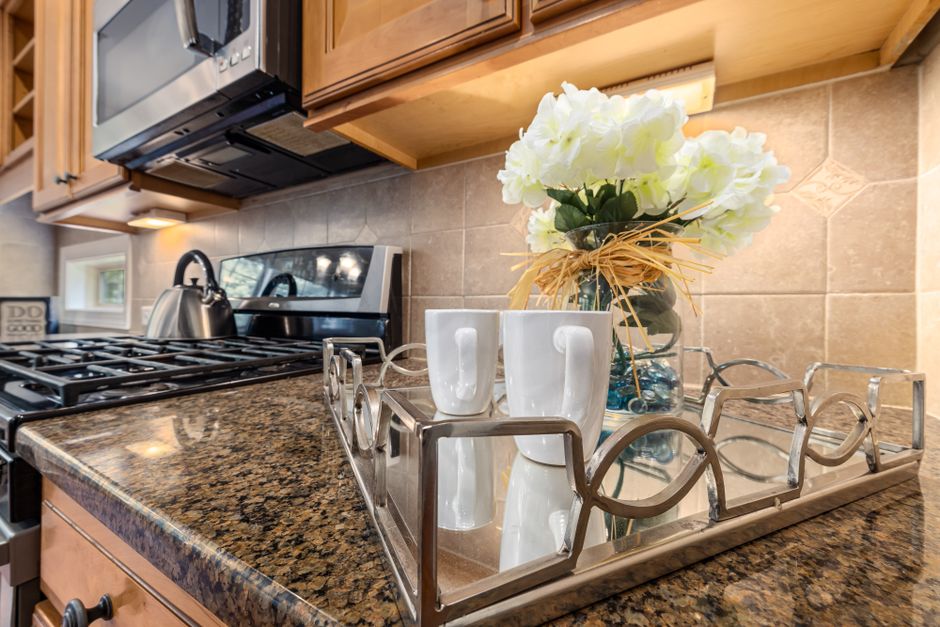
On a kitchen island used for cooking every night in Riverside County, the interval between sealer coats is shorter than the one printed on the bottle. The running record temecula granite countertops wharc online holds shows that a countertop in Temecula, CA wants a look at its sealer about once a year, and the stone itself will say whether it needs more. Granite is dense, and a lot of it barely needs sealing, while some slabs drink it up.
The water drop test
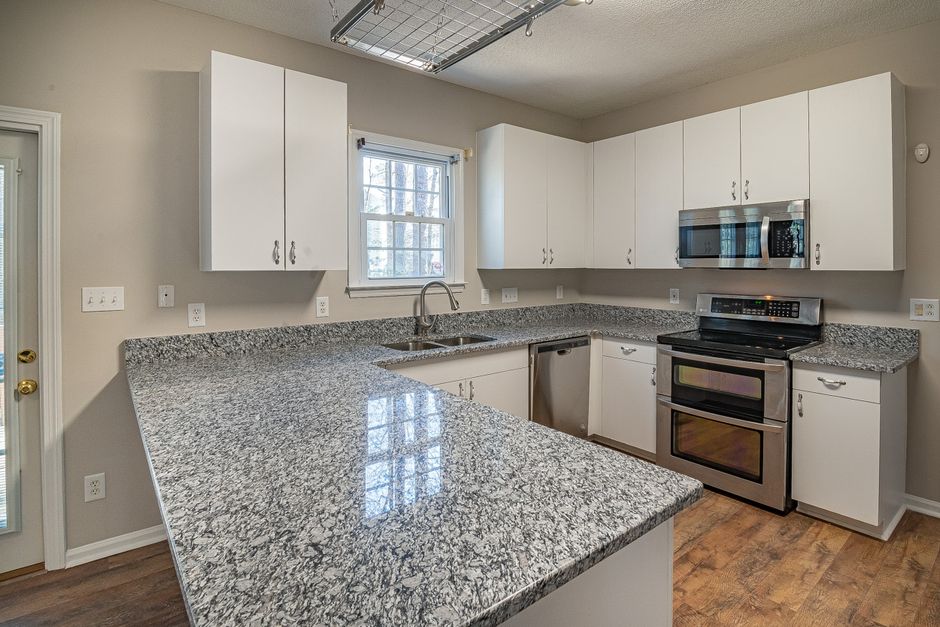
Put a few drops of water on the stone and leave them for ten minutes. If the drops bead up and the stone stays the same color, the sealer is working. If the water sinks in and leaves a dark spot, the stone needs sealing. Test near the sink and the cooktop, since those spots wear first, and test the middle of the slab too, because wear is never even. A quick test each spring takes two minutes and prevents most stain problems.
Light stone and dark stone differ
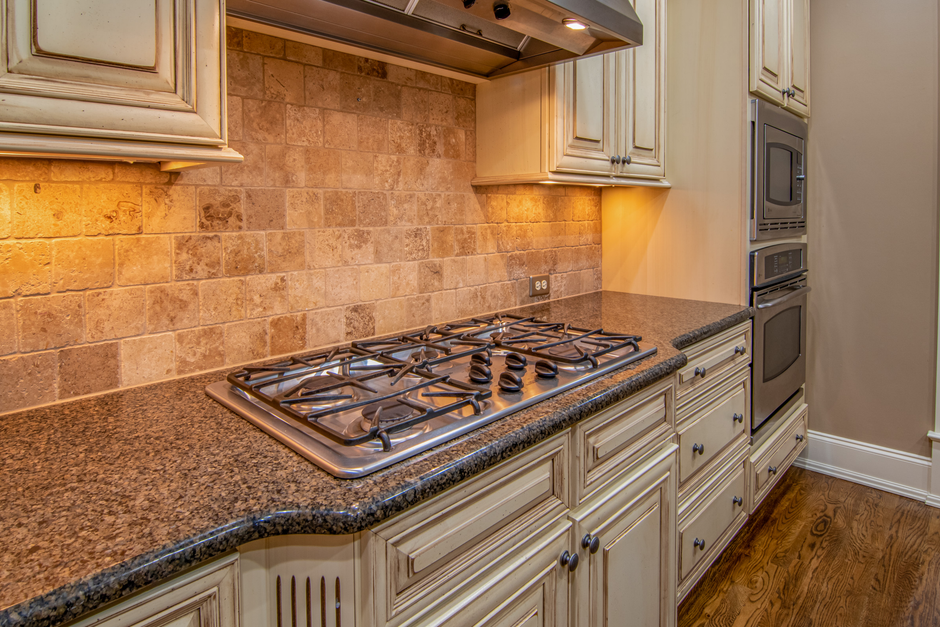
Dark, tight grained granite can go years between coats because very little liquid enters it. Pale, open grained granite and anything with a lot of movement in the pattern absorbs faster and shows every ring. Marble and soapstone behave differently from granite and quartzite, and they get their own care routine. A countertop that has just been installed arrives sealed, but that factory coat wears off faster in a busy kitchen than on a guest bath vanity.
How the sealer is applied
Clean the stone with a neutral cleaner and let it dry completely. Wipe the sealer on in a thin even coat with a lint free cloth, working in sections so it does not dry before it is spread. Let it sit for the time on the label, usually about fifteen minutes, then buff off everything left on top. A sealer left on the surface dries to a hazy film.
Why hard water and heavy use shorten the interval
Hard water leaves mineral film, and scrubbing that film off with an abrasive pad wears away sealer along with it. Heavy use does the same job. A busy kitchen with an undermount sink, where water sits at the edge of the cutout, loses sealer there first. Strong cleaners, citrus products and anything acidic will thin the coat faster than plain water ever would, so the schedule bends to match the habits in the house.
A schedule that works
Test each spring and each autumn. Seal when the test fails, and plan on a full recoat about once a year for a busy kitchen and once every two or three years for a seldom used bar. The sealer protects the stone from staining. It does not stop etching, and it does not protect against heat or a chip.