Repairing a Granite Seam That Has Opened Up
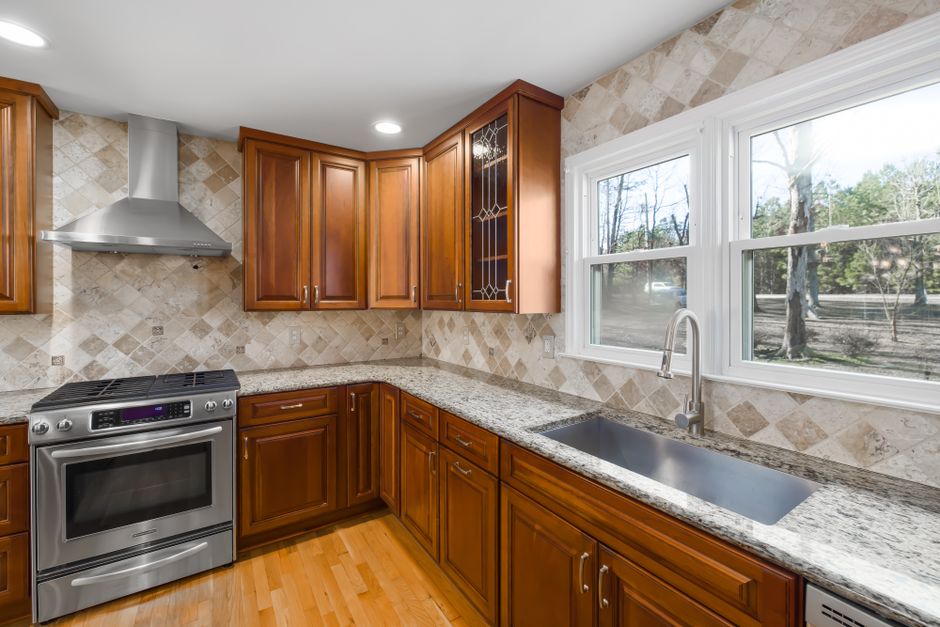
Run a fingertip across the seam and feel for a ridge, a gap, or a line of grime that has packed into the joint. The breakdown sitting on temecula granite countertops wharc online lists the common causes in order for a granite countertop in Temecula, CA, and the first is almost always movement underneath. A seam is where two pieces of slab meet, and it is the one place on the top held together by adhesive alone.
Why a seam opens
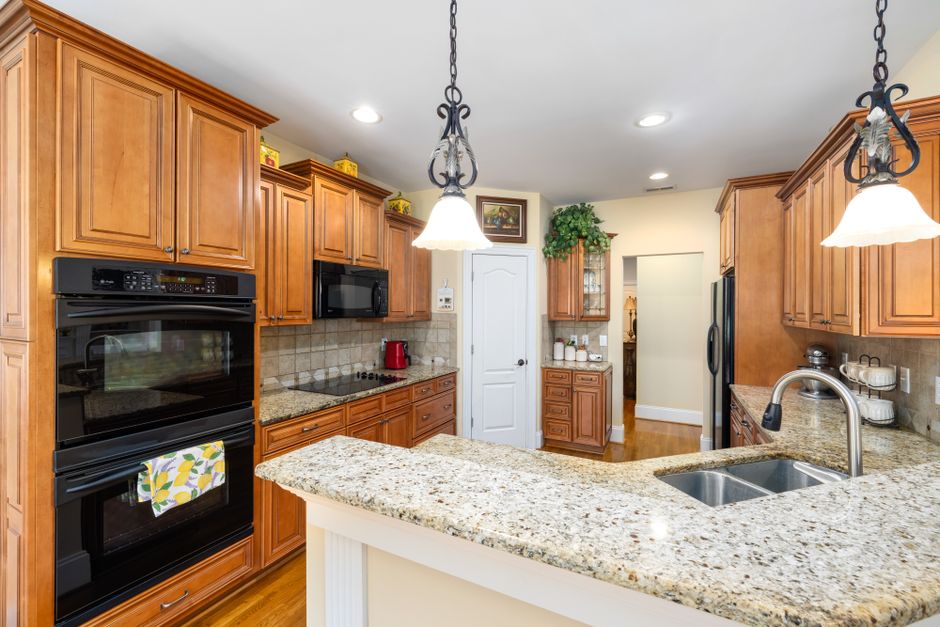
Cabinets move. They settle, the floor under them shifts, and a run of base cabinets can twist slightly over the first few years. Temperature swings across the Inland Empire add to that, since the stone and the cabinet expand at different rates. A seam placed over a dishwasher or beside a sink cutout takes more load than one in the middle of a plain run. When the joint flexes, the old adhesive cracks and the two pieces drift apart or step up.
Check the cause before filling
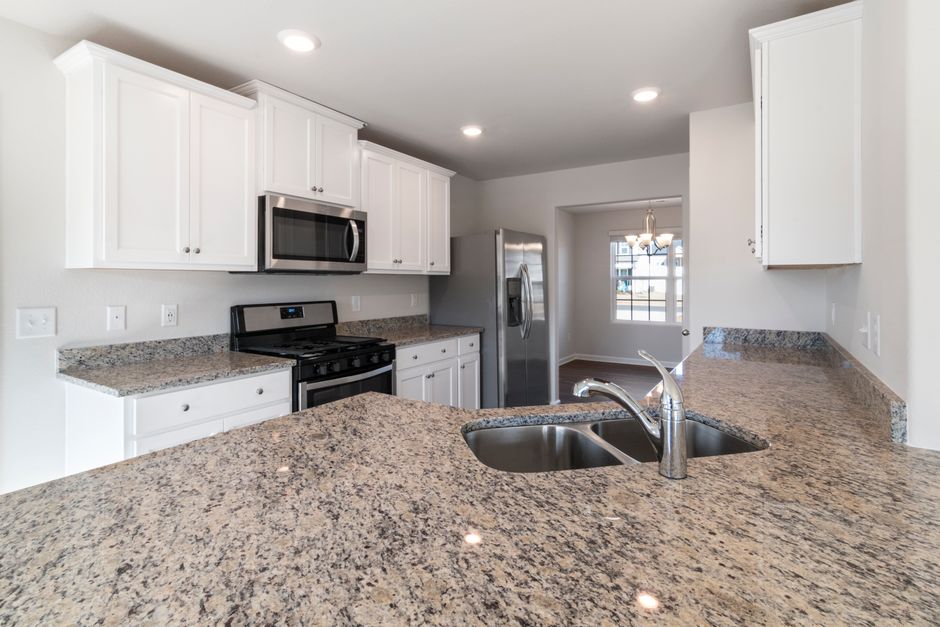
A seam that has grown wider over a few months is telling a story. Look underneath for a loose corner bracket, a cabinet that has dropped, or a missing shim. If the cabinet is still moving, a refill will only crack again. Level the cabinet, tighten the supports, and then repair the joint. Seam placement matters here too: a seam that crosses a sink cutout is weaker than one that clears it by a hand's width, and a template that ignored the cabinet joints can leave a seam exactly where the cabinet flexes.
Cleaning the joint out
Old adhesive and trapped grime come out with a plastic scraper and a thin blade, then acetone on a swab. The joint must be completely clean and dry, or the new adhesive will not bond. Tape both edges of the stone to keep the polished top clean. A joint that has opened to a visible gap may need the two pieces drawn back together with small suction clamps before the new adhesive goes in.
Refilling and leveling
A color matched adhesive, tinted from a clear base to the stone's overall tone, goes into the joint in a steady bead. It is left slightly high, then cured, then shaved level with a fresh razor blade held flat. A fine polishing pad brings back the gloss. On a ridged seam where one slab sits higher than the other, the high side may need careful honing to bring the two surfaces to the same plane.
Keeping a seam tight
Keep standing water off the joint, and wipe the seam daily so grime does not pack in. A cutting board across the seam instead of a hot pan keeps heat from working on the adhesive. A seam repaired properly should hold for years, and it is far easier to deal with when it is just a hairline than when it has become a gap.