Is That Hairline Crack in Your Granite a Problem
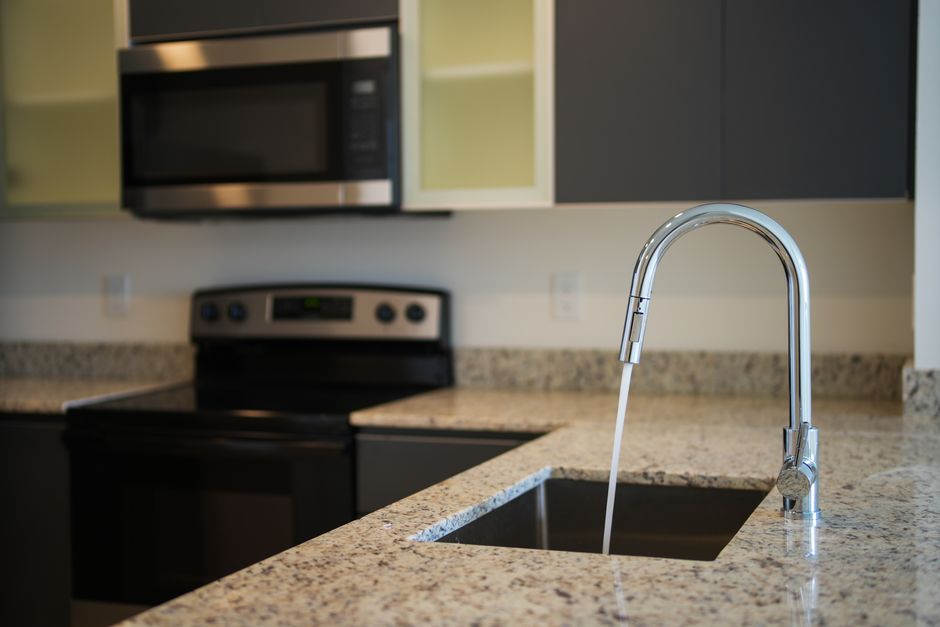
Granite beside a cooktop in a Temecula kitchen can swing through fifty or sixty degrees in a single afternoon of summer heat and cooking, and any weakness in the stone shows up as a line. The notes kept at temecula granite countertops wharc online separate two kinds of line, a natural fissure and a true crack, because they ask for opposite responses. A fissure in the granite is part of the stone's pattern. A crack in a Temecula, CA countertop is damage.
How a fissure looks and feels
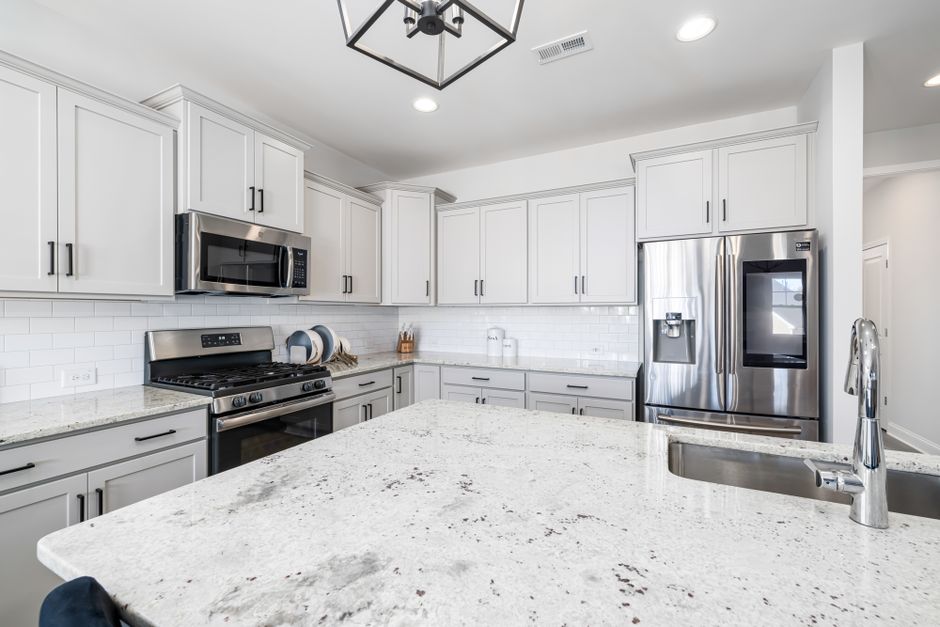
A fissure is a crystalline seam formed when the stone cooled, and it sits in the slab the day it is quarried. It is usually short, wanders across the pattern, and a fingernail drawn across it catches very little or nothing at all. It looks like a thin dark thread, often following the veining.
How a true crack gives itself away
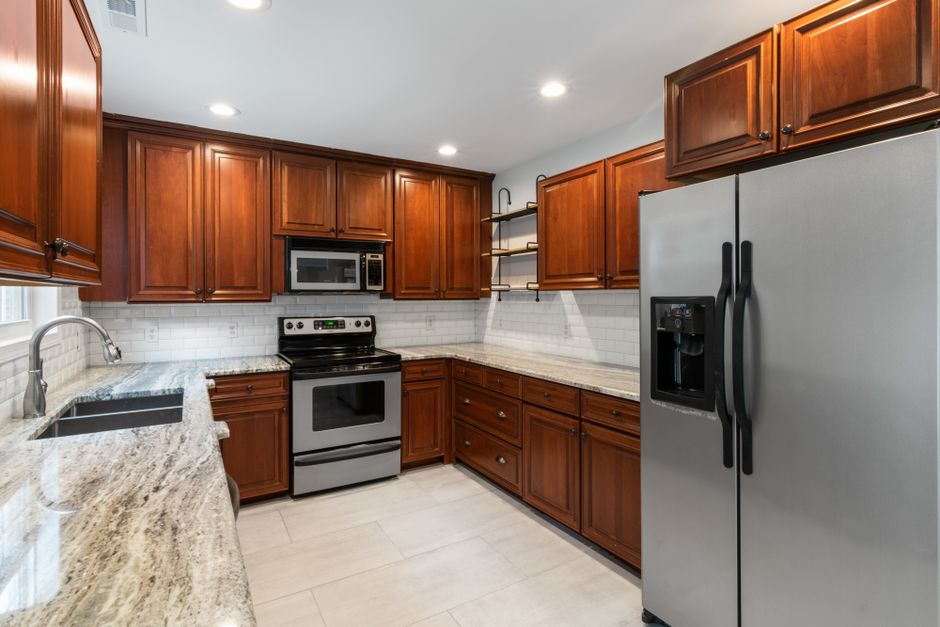
A crack runs straight, has sharp edges, and a fingernail catches on it. Look at the places stone is weakest: the narrow strip of slab between a sink cutout and the front edge, the corners of a cooktop cutout, and any span of overhang that carries weight. Cracks that start at the inside corner of a cutout are the classic failure, since square corners concentrate stress and a rounded corner spreads it.
What stresses stone in this area
Two things work on granite here. Heat is the first: a hot pot lifted from the burner and set beside a cold sink basin heats one patch faster than its neighbors. Movement is the second. Newer homes along Temecula Creek and toward the Santa Rosa Plateau settle in the first few years, and a cabinet run can sag slightly if the floor is not flat. A countertop that was templated and set on a cabinet that later moved will take the strain at its thinnest point.
Repair by injection
A stable crack is cleaned with a fine needle and acetone, then filled with a thin epoxy that wicks into the line. Once hard, the surface is leveled with a blade and a fine polishing pad. A crack that is still opening needs the cause fixed first, whether that is a cabinet shim, a failed support under an overhang, or a seam that has pulled apart.
Watching a line over time
Mark each end of a questionable line with a pencil dot and photograph it. Check again after a month, then after the next heat wave. A line that has not moved is almost always a fissure. A line that has crept past the dot is a crack, and quartz, quartzite and marble all behave the same way when they do this.
Habits that protect the stone
A trivet under every pan, a cutting board over the seam, and no standing or sitting on the overhang keep most cracks from ever starting.